There are many methods for disposing of dead livestock and poultry. Four commonly used methods include landfilling, incineration, biodegradation, and high-temperature processing using harmless treatment equipment. This article compares these four disposal methods to see which one is better.
1. Landfill method
Relying on microbial enzymes in the soil to decompose animal corpses has a long cycle and a low reduction rate of fixed components, making it impossible to achieve reduction. This method is low cost, but the landfill site needs to be located far away from residential areas, requires a large area, and must be situated downwind.
Shortcomings
1. It is difficult to find a landfill site that is far away from residential areas and covers a large area.
2. Landfilling cannot effectively eliminate the viruses present in bacteria, and may cause secondary pollution to the soil. If lime is sprinkled, it can lead to soil alkalization and compaction.
3. It is difficult to dig in the ground when it is cold, and if buried shallowly, it is easy to be dug up by animals.
4. Waste cannot be reused.
II. Incineration method
This is a commonly used method for disposing of animal carcasses. Incineration can kill pathogenic microorganisms, and the treated remains can be directly buried. There are various incineration methods for this approach, such as burning with firewood or using an incinerator. However, it is important to choose a suitable incineration site, away from residential areas. During combustion, there should be no power lines above, and no gas pipelines or running water below. Additionally, the wind direction should be taken into account.
Advantages: low cost, good effect.
Disadvantages: It requires a large number of supporting equipment, cannot generate circular economy value, and produces dioxins and dust, posing significant environmental hazards.
III. Biological enzyme reduction method
This method relies on the decomposition of animal carcasses in a septic tank, which requires a location away from residential areas, grasslands, water sources, and farms, and a large footprint.
Disadvantages: It can only handle animals that died of natural causes or general illnesses, and cannot guarantee the eradication of pathogenic microorganisms from the carcasses of animals infected with diseases. Therefore, the risk is high, the process is lengthy, and the disposal capacity is limited.
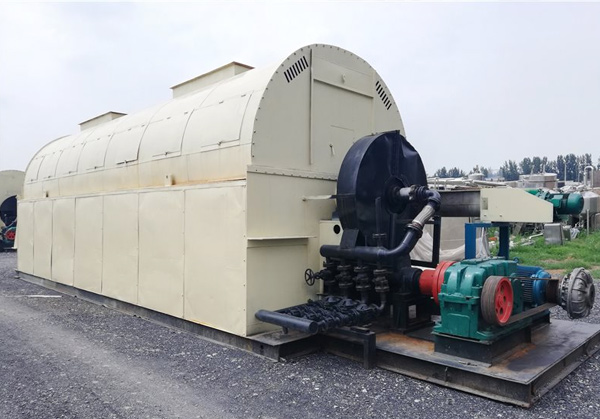
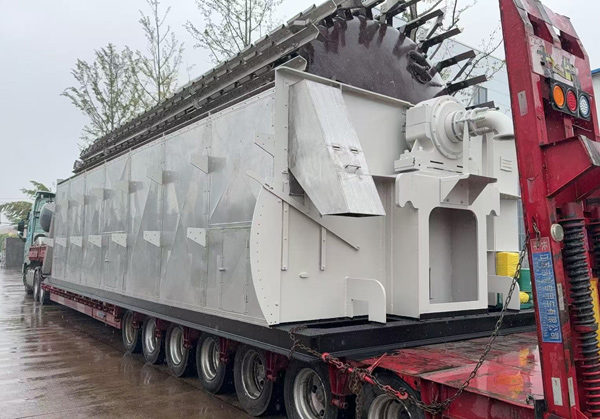
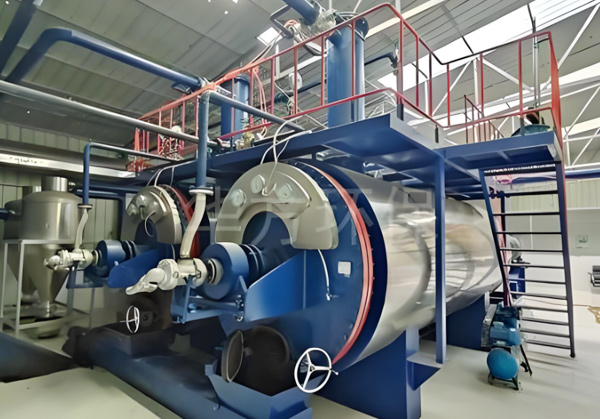
IV. High-temperature production method for harmless treatment equipment
This method is divided into two types: drying method and wetting method.
1. Drying method
Relying on steam or heat-conducting oil, animal carcasses are heated through a jacket without coming into contact with the processing materials. This allows dry heat to kill bacteria. The treatment cycle is short, with a large processing capacity per operation, and the reduction rate can be as high as 80%.
Advantages: Short processing time, the processed material can be directly discharged without causing environmental pollution, and it can produce products such as meat and bone meal, feather meal, and industrial oil.
Disadvantages: It requires the purchase of large-scale, separate drying and harmless treatment equipment, which is expensive.
Currently, subsidy policies are available in various regions for purchasing this equipment. For each dead pig processed, there is a subsidy ranging from 60 to 80 yuan. Farms with increased processing volume can choose to purchase this equipment.
2. Humidification method
By bringing steam into direct contact with animal carcasses, high temperature and pressure are generated to kill bacteria.
Advantages: Short processing time, no pollution generated, complete eradication of pathogens, requires the purchase of a 300kg-1000kg harmless treatment equipment humidifier, low price, suitable for slaughterhouses and farms with small processing volumes.
Based on the above comparison, the high-temperature treatment method of harmless treatment equipment can handle a large or small number of diseased or dead livestock and poultry, killing their pathogens. Additionally, the investment is controllable, the equipment can be reused, and waste can be recycled. Therefore, this method yields better treatment results.
 CN
CN