In the harmless processing of livestock and poultry, the cooling tower is a key auxiliary equipment to ensure stable operatio
Click to consult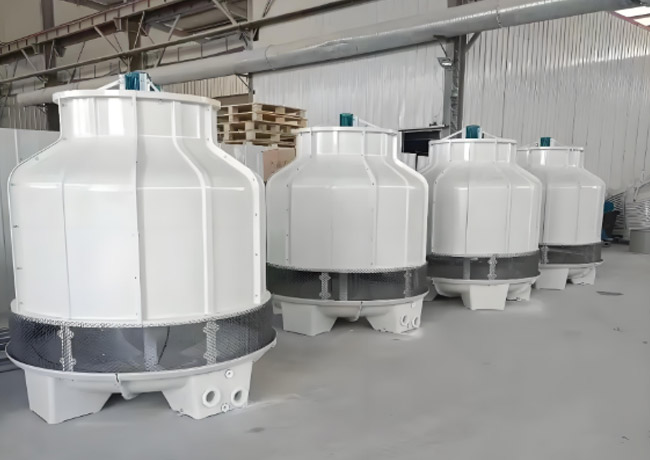
Equipment Introduction:
In the harmless processing of livestock and poultry, the cooling tower is a key auxiliary equipment to ensure stable operation of equipment and reduce energy consumption. Its core function is to provide circulating cooling water for core equipment such as vacuum pump stations, oil press cooling systems, and hydrolysis tank interlayers, and maintain temperature stability in various process links through cooling.
Main functions:
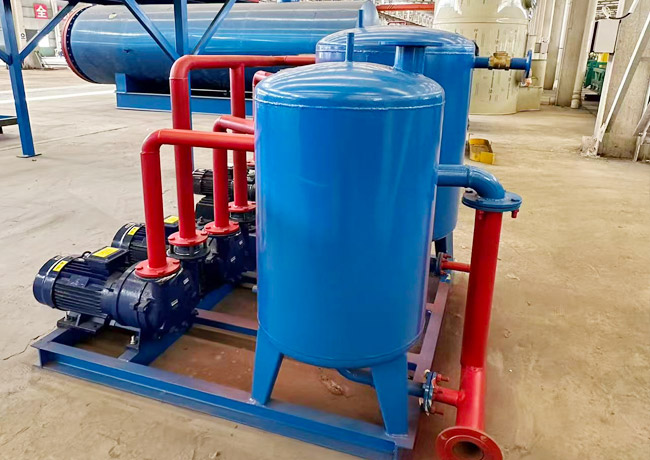
When the water ring vacuum pump in the cooling and drying process of feather powder in the vacuum pump station is running, the working fluid (water) will generate heat due to the friction of compressed gas. If the water temperature is too high, it will cause a decrease in vacuum degree and increase the wear of the pump body. The cooling tower can cool the hot water (usually up to 40-45 ℃) discharged by the vacuum pump to 25-30 ℃, and then send it back to the vacuum pump for circulation, ensuring stable vacuum degree (maintained at -0.08~-0.09MPa) and ensuring the drying efficiency of the hydrolysis tank.
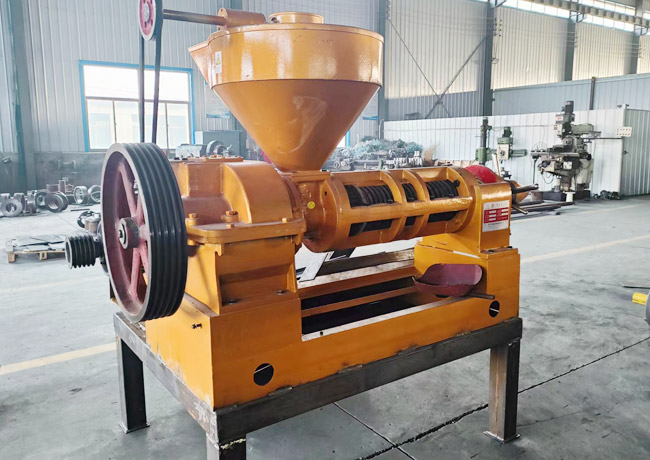
When the heat dissipation screw oil press presses the hydrolysate of feathers, the friction between the material and the press chamber and screw will produce local high temperatures (up to 60-70 ℃). Excessive temperature can cause the oxidation and deterioration of oil and protein, as well as protein denaturation and agglomeration. The cooling tower controls the temperature of the squeezing chamber at 45-55 ℃ by introducing cooling water into the interlayer of the squeezing chamber, which not only ensures the fluidity of the oil (improves the degreasing rate), but also avoids protein structure damage that affects the quality of feather powder.
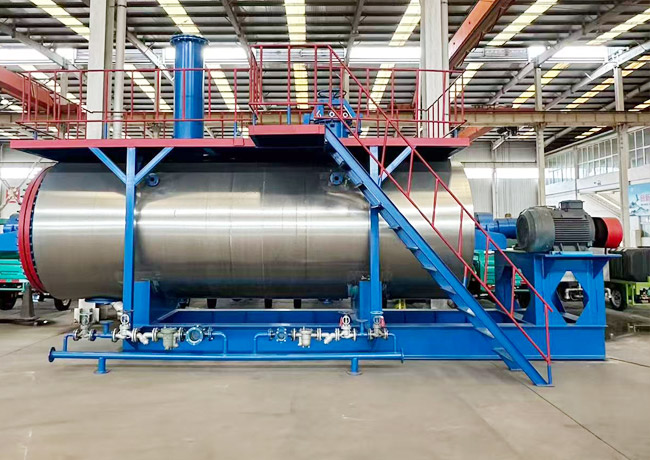
The hydrolysis tank is used to assist in temperature control during the high-temperature hydrolysis stage of feathers, which requires heating to 180-200 ℃ through interlayer steam. However, in the subsequent cooling stage (after hydrolysis is completed, it needs to be lowered to below 100 ℃ before discharging), a cooling tower is required to provide cooling water, and rapid cooling is achieved through interlayer heat exchange to shorten the process cycle and avoid direct contact of high-temperature materials with subsequent equipment causing wear and tear.

 CN
CN