The core function of the negative pressure station is to achieve material transportation and workshop dust removal through ne
Click to consult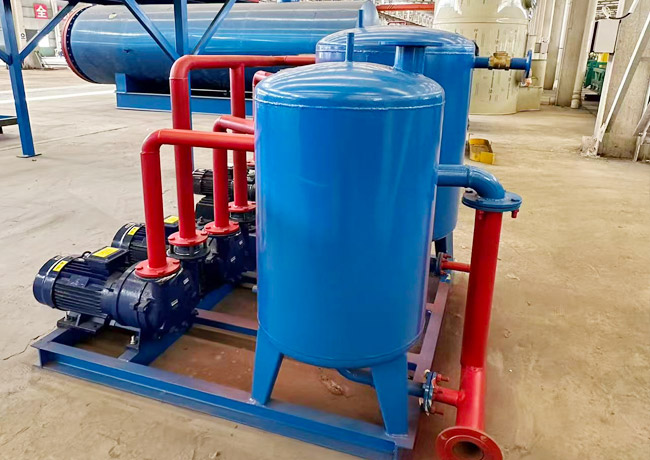
Equipment Introduction:
The core function of the negative pressure station is to achieve material transportation and workshop dust removal through negative pressure suction, which is a key auxiliary system to ensure production continuity and meet operating environment standards.
Function Introduction:
The negative pressure station does not directly participate in the core processing steps such as hydrolysis and drying of feather powder, but provides two key supports through negative pressure:
Accurate material transportation: The crushed feather raw materials or intermediate semi-finished products are sucked in under negative pressure from one device and then transported to the next device, replacing manual handling or mechanical pushing.
Workshop dust collection: For the light feather dust that may be generated after feather crushing and drying, it is collected through a negative pressure suction port and then separated by matching filter bags and other filtering devices to avoid dust diffusion pollution.
Main components:
A negative pressure station usually consists of four core components, which work together to achieve negative pressure function:
Negative pressure source: usually a Roots vacuum pump or high-pressure centrifugal fan, it is a power device that generates negative pressure suction, and its power determines the suction size of the negative pressure station.
Pipeline system: composed of steel pipes or PVC pipes of different diameters, connecting negative pressure sources with suction ports/dust collection ports of various equipment, serving as a conveying channel for materials and dust.
Filtering device: commonly used as bag filter or cyclone separator, used to separate materials from air or collect dust, to prevent materials from blocking negative pressure sources or dust emissions.
Control system: includes pressure sensors, frequency converters, and control cabinets, which can monitor the negative pressure value of the system in real time, adjust the speed of the negative pressure source according to production needs, and control the suction force.

 CN
CN