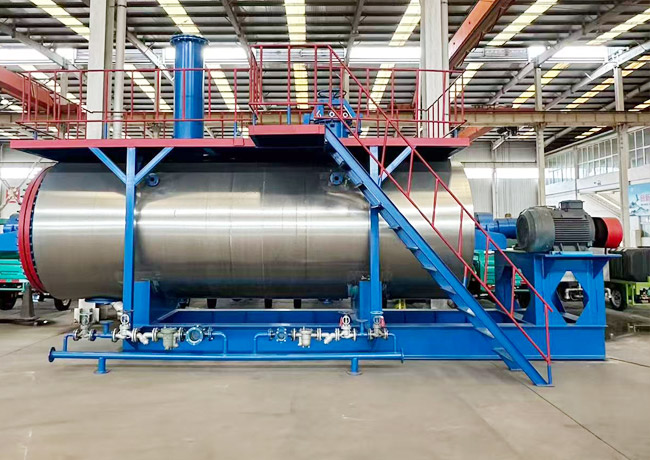
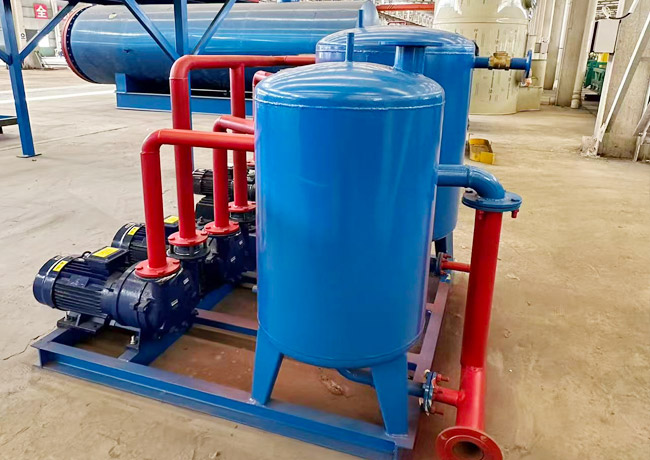
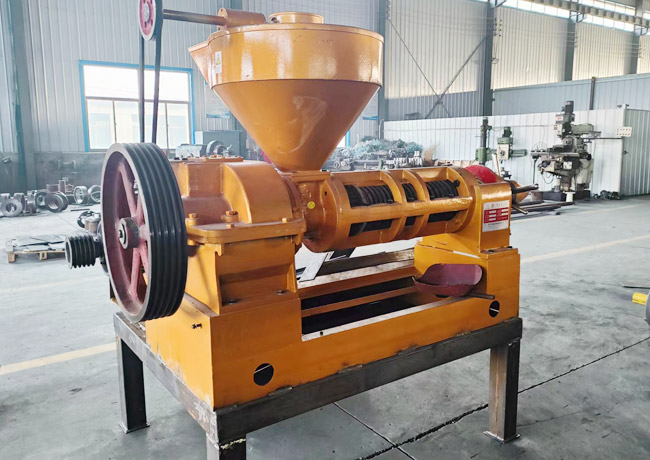
Harmless treatment of livestock and poultry refers to the key process of using scientific and technolo
Click to consult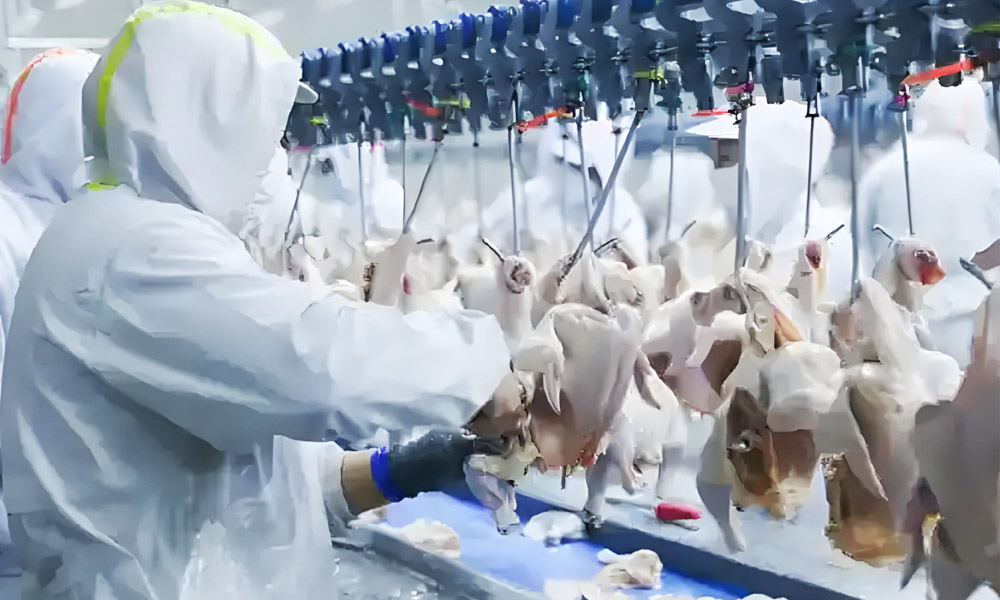
Equipment Introduction:
Harmless treatment of livestock and poultry refers to the key process of using scientific and technological means to treat dead and diseased livestock and poultry, kill pathogenic microorganisms, prevent the spread of diseases, and avoid environmental pollution, ensuring public health safety, animal product safety, and ecological environment safety. Its core goal is to achieve "killing pathogens, cutting off transmission routes, and eliminating secondary pollution", which is an indispensable risk prevention and control measure in the entire industry chain of livestock and poultry breeding, slaughtering, and transportation.
Centralized processing technology:
Centralized processing refers to the transportation of dead and diseased livestock and poultry to specialized and harmless treatment, which is carried out through standardized equipment. It is suitable for batch processing in breeding intensive areas, slaughterhouses, or during epidemic outbreaks, with high processing efficiency and complete elimination of pathogens.
High temperature and high pressure sterilization method:
Put dead livestock and poultry into sealed chemical equipment, and sterilize them continuously for 30-60 minutes under high temperature and high pressure conditions of 121-135 ℃ and 0.15-0.3MPa. Use high temperature to destroy the protein structure of pathogens and completely kill viruses, bacteria, and parasitic eggs; After sterilization, the material is disassembled into "animal fat" and "meat and bone meal" through processes such as separation, drying, and crushing.
Burning method:
Put dead livestock and poultry into a high-temperature incinerator above 850 ℃, and through full combustion, completely oxidize and decompose organic matter, and completely destroy pathogens; The flue gas generated from incineration needs to be purified through processes such as desulfurization, denitrification, dust removal, and dioxin removal. The ash should be disposed of by qualified units as hazardous waste.
Anaerobic fermentation method:
After crushing dead livestock and poultry, mix them with animal manure, straw and other auxiliary materials in proportion, and put them into a closed anaerobic fermentation tank. In an anaerobic environment, organic matter is decomposed by microorganisms to produce biogas; The high temperature generated during the fermentation process can assist in killing some pathogens, and the residual sludge after fermentation can be processed into organic fertilizer after passing harmless testing.

 CN
CN