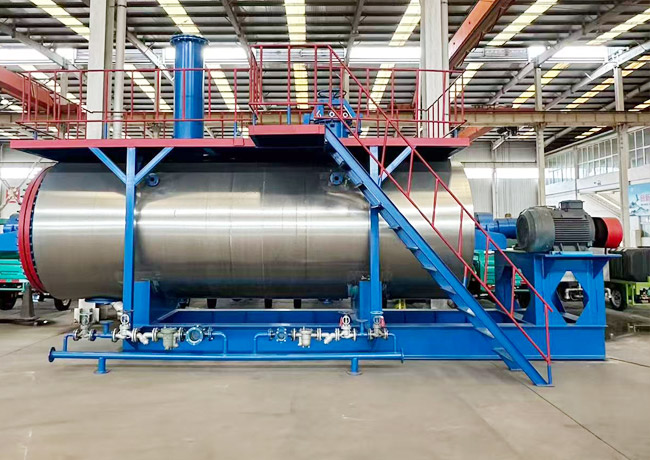
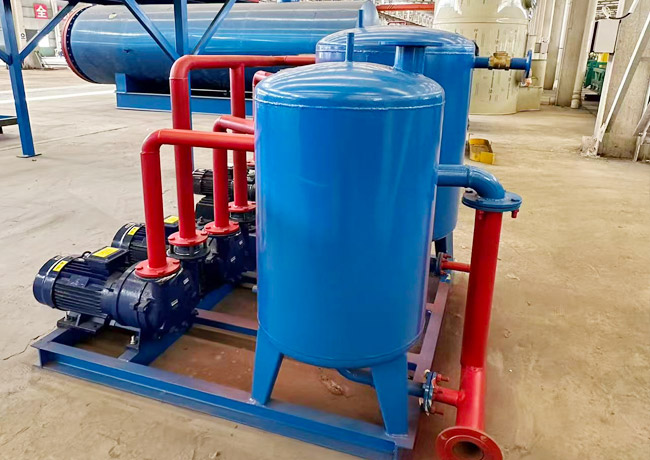
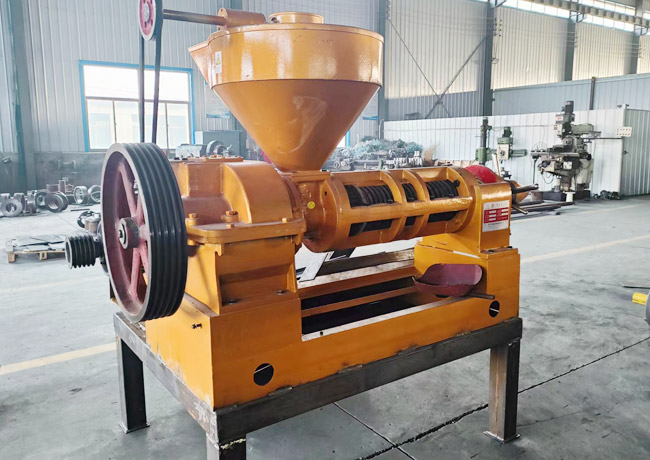
The treatment of slaughter waste should follow the core principle of "harmless first, then resour
Click to consult
Equipment Introduction:
The treatment of slaughter waste should follow the core principle of "harmless first, then resourceful" based on the form and nature of the waste, and adopt targeted treatment methods. The core can be divided into three categories: solid waste treatment, liquid waste treatment, and gas waste treatment,
1、 Solid waste treatment methods
Solid waste is the main waste generated during the slaughter process (such as internal organs, bones, fur, quarantine unqualified corpses, etc.), and the treatment methods focus on "harmless sterilization" and "resource recycling",
The mainstream technologies include:
1. High temperature and high pressure sterilization method (mainstream, harmless+resourceful)
2. Landfill method (only for emergency/special scenarios, harmless)
3. Incineration method (auxiliary treatment, reduction+harmlessness)
4. Anaerobic fermentation method (resource utilization, emerging technology)
2、 Liquid waste treatment technology
1. Resource utilization of blood
2. Slaughter wastewater treatment (harmless treatment+standard discharge)
3、 Gas waste treatment technology
Source control: Install a local exhaust system in the slaughterhouse to collect and centrally process odorous gases; The waste storage room adopts a closed design and is equipped with low-temperature refrigeration (0-4 ℃) to delay decay and reduce odor generation.
End of pipe treatment: The collected odorous gases are treated through "chemical absorption method" or "biological filter method" to ensure that the emissions meet national standards.

 CN
CN